
Common Appliance Problems in Everett Homes
When a refrigerator stops cooling in a third-floor apartment on a hot August afternoon, the clock starts ticking. In Everett's older multifamily buildings, getting a technician and a replacement unit up a narrow stairwell is half the job. The other half is figuring out what actually failed.
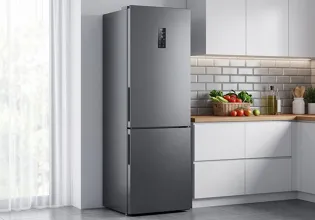
- Refrigerators that run constantly but never get cold — often the condenser coils are caked with dust, especially in kitchens with limited ventilation behind the unit.
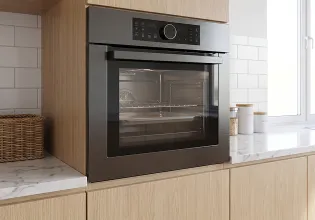
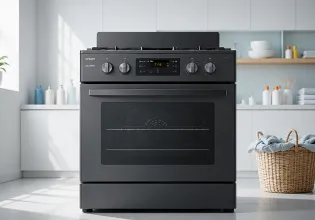
- Gas ovens and stoves that won't ignite or heat unevenly. In many Everett homes, the gas range has been in place for years, and a worn igniter or a partially clogged burner tube is usually the culprit.
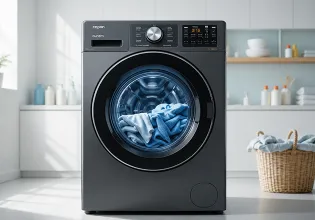
- Washers leaking onto a basement floor. We see this frequently in older two- and three-family homes where the drain hose connects to aging standpipes that don't seal well anymore.
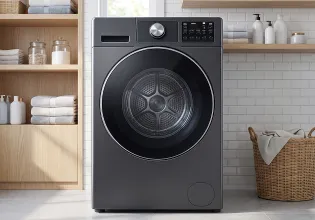
- Dryers that tumble but produce no heat — sometimes a burned-out heating element, sometimes a vent line packed with lint after running through a basement wall and two elbows before reaching the outside.
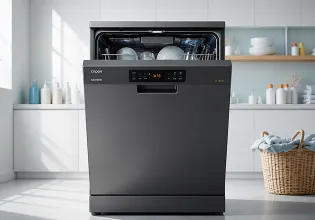
- Dishwashers that leave dishes dirty or won't drain. Worth checking the filter and the drain hose loop before assuming the pump is gone.
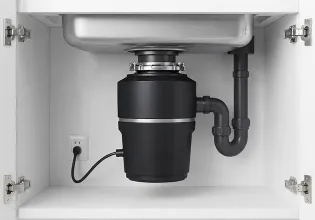
- Garbage disposals that jam or hum without spinning, often from a small bone or piece of glass wedged in the flywheel.
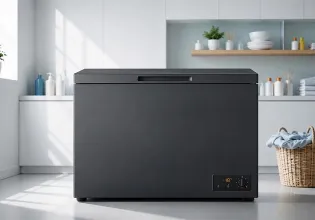
- Freezers building up frost on one side or warming above safe temperatures — a failed defrost timer or a gasket that no longer seals tight.
Local Utility, Permit, Safety, and Disposal Factors in Everett
If a repair turns into a replacement — say a gas range needs a new connection or a dryer needs fresh electrical work — Everett requires the installer to pull a permit before the work begins. The city issues separate electrical, gas, and plumbing permits through the Everett Inspectional Services Department at City Hall on Broadway. Licensed contractors must handle the permit process for any gas line or electrical work tied to an appliance installation. After the job is done, an inspection has to happen before the city considers the work approved. So before you schedule an install, ask the contractor whether they'll be pulling the permit — and don't let anyone skip that step.
Under the Massachusetts State Plumbing and Gas Fitting Code, all gas fitting work — including hooking up a gas range or a gas dryer — must be performed by a licensed gas fitter. That's state law, not just a local preference. Unlicensed gas work is a code violation, and it can also void your homeowner's insurance if something goes wrong. If you're replacing a dishwasher or washing machine, the plumbing connections also need to meet state standards. The short version: ask for a license number before anyone touches a gas valve or water supply line in your home.
Gas appliance safety is something the Everett Fire Department takes seriously. The department enforces the Massachusetts Comprehensive Fire Safety Code within city limits, and gas appliance malfunctions and improper venting are recognized fire and carbon monoxide hazards here. Dryer lint buildup is a leading cause of residential fires — the fire department recommends regular vent cleaning, and in Everett's older buildings, where dryer vents sometimes run long distances through interior walls, that advice matters more than usual. Carbon monoxide detectors are required in every Massachusetts residential unit, and the Everett Fire Department enforces that requirement locally. If your gas oven smells off or your CO detector keeps triggering, don't wait on that call.
Everett's drinking water and sewer service come through the Massachusetts Water Resources Authority, a regional system that also handles wastewater. MWRA water hardness and pressure can affect how dishwashers clean, how long washing machine inlet valves last, and how quickly refrigerator water filters clog. If you notice mineral deposits building up inside your dishwasher or your washer's fill cycle seems slower than it used to be, the water supply is worth checking before replacing parts. Plumbing connections for water-using appliances also need to comply with MWRA cross-connection control requirements — your technician should know what that means in practice.
Inspectional Services Department
484 Broadway
Everett, MA 02149
Phone: (617) 394-2290
Official Website
What Makes Appliance Repair in Everett Different
Everett is a compact, densely built city just north of Boston, and most of its housing stock is older multifamily properties — two-families, three-deckers, and apartment buildings where kitchens are small, stairways are tight, and basement laundry hookups are shared between units. That shapes every appliance job. A refrigerator swap that takes thirty minutes in a suburban ranch can take twice as long when you're navigating a narrow hallway and a landing turn on the second floor. Dryer vent runs in these buildings are often longer and more convoluted than what the manufacturer intended, which means lint buildup is faster and fire risk is higher.
The permit structure also sets Everett apart from some neighboring communities. The city requires separate permits for electrical, gas, and plumbing work tied to appliance installation, and inspections must follow before the job is closed out. That's not how every town around here operates. If you've replaced a gas stove in Malden or Medford, the process in Everett may involve an extra step or two — and the contractor needs to know that before showing up.
Appliance Replacement and Household Equipment Considerations in Everett
When repair no longer makes sense — the compressor is shot, the control board costs more than a new unit, the drum bearings are gone — replacement brings its own set of steps in Everett. Start with the old appliance: you can't just leave a dead washer or refrigerator on the curb. The city runs a scheduled bulk item collection through the Everett bulk item pickup program, and residents must call the Department of Public Works to book an appointment before setting anything out. Refrigerators and freezers containing refrigerants need proper handling under federal EPA Section 608 rules before disposal, so those can't simply be left for regular trash.
On the installation side, if the new appliance connects to gas, the installer has to be a licensed gas fitter and needs to pull a gas permit through the city. Same goes for electrical work — a new electric range on a dedicated circuit, for example, requires an electrical permit and a follow-up inspection. Ask the installer to confirm they've filed with the Everett Inspectional Services Department before they start. In a multifamily building, you may also need to coordinate with your landlord or property manager, especially if the work involves shared gas lines or a building-wide shutoff.
Everett residents are also protected under Massachusetts Consumer Protection Law Chapter 93A, which prohibits unfair or deceptive practices by service providers. If a repair company misrepresents what's wrong with your appliance or inflates a bill, you have the right to file a complaint with the Massachusetts Attorney General's Office. That law allows double or triple damages for willful violations — so keep your receipts and get written estimates.
Department of Public Works
100 Elm Street
Everett, MA 02149
Phone: (617) 394-2330
Official Website
Areas We Serve Throughout Everett
We handle appliance repair calls across every part of the city. Here's what we typically see in each area:
- Glendale — Older triple-deckers with basement laundry setups are common here. Dryer vent runs tend to be long, and we usually recommend a vent inspection before assuming the heating element is the problem.
- Hapgood — A mix of multifamily homes where kitchens are often compact enough that pulling a dishwasher out for service means moving the stove first. Worth measuring clearance before ordering a replacement unit.
- Woodlawn — Gas ranges are standard in many of these homes, and we often find older shutoff valves behind the stove that are stiff or partially corroded. If you haven't turned yours in years, don't force it — call first.
- West Everett — Some of the older single-family homes here have original electrical panels with limited breaker capacity. Adding a new electric dryer or range sometimes means an electrical upgrade and a permit through the city.
- South Everett — Dense apartment buildings near the Malden line, where shared laundry rooms and tight hallways make washer and dryer access a logistical challenge. Coordinating with building management usually saves time on service day.